Anzio is an adorable seaside town near Rome. The city of ancient Anzio records the first human presence during the Neolithic. Then it was an important political and cultural center of the Volsci people, in Roman times.
Fighting between the Volscians and the Romans was frequent, especially in the 5th century BC, when Anzio was the capital. These clashes also alternated with peace treaties. The first treaty between Rome and Carthage includes, in addition to Rome and the Latin cities, also Anzio, Ardea, Circei and Terracina. In 469 BC. the Romans conquered and destroyed the Volscan city of Cenone, emporium and port of Anzio. Then in 468 BC, after losing the battle of Anzio against the Romans, the Ancients surrendered to the Romans, who left an armed garrison in the city.
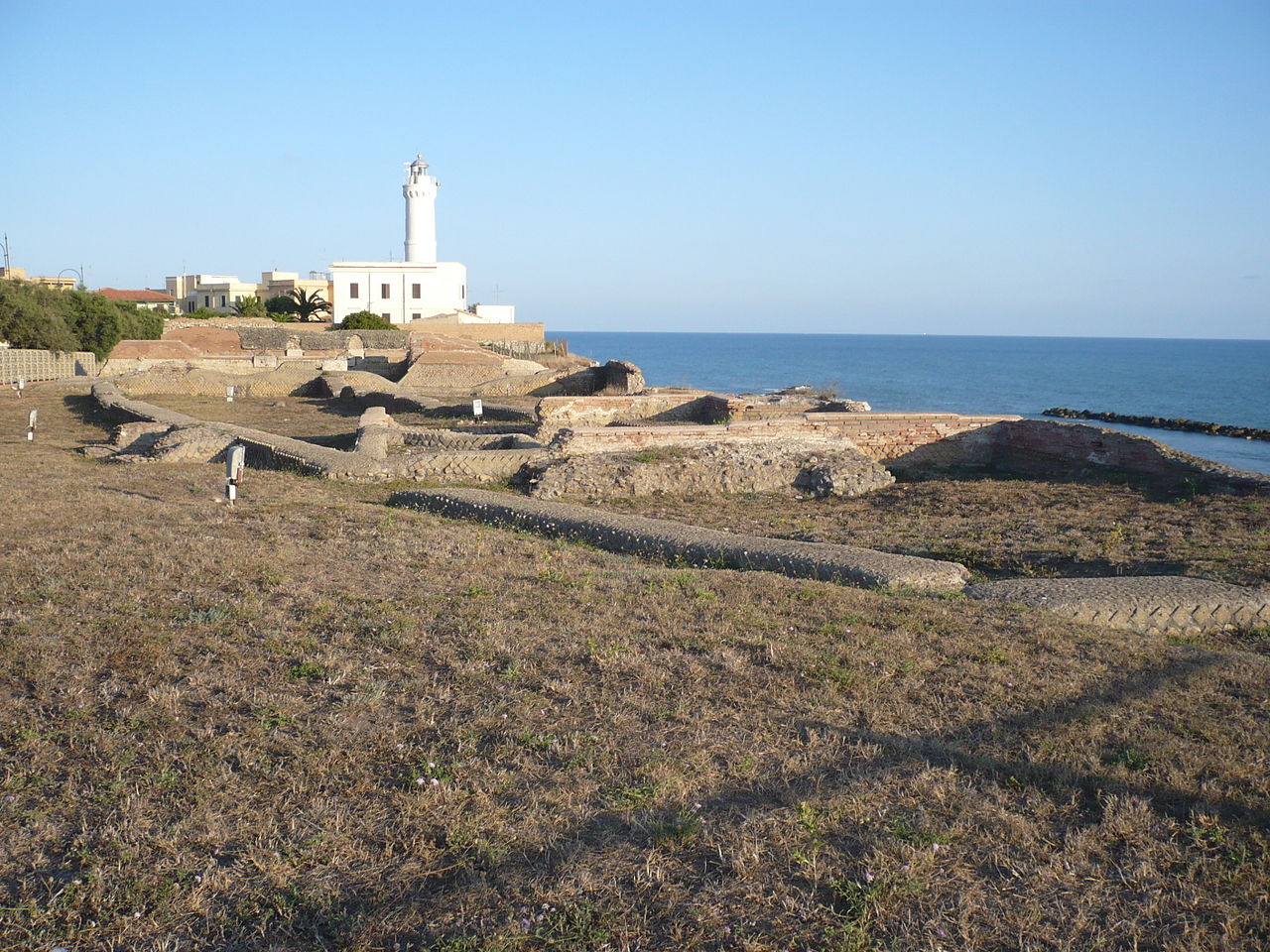
The emperors of the Julio-Claudian dynasty visited it frequently. Even the emperors Caligula and Nero were born in Anzio. The latter built a new port, the ruins of which still exist.
Ancient Anzio after the fall of the Roman Empire
After the fall of the Roman Empire Anzio fell into decline during the Middle Ages. The port was abandoned and the area became a malarial swamp.
Then it was resurrected thanks to Pope Innocent XII during the 17th century. Around the middle of the 19th century, during the pontificate of Pius IX, the current and modern city of Anzio was born. The fishing village thus became a town. Anzio acquired the connotations of an elegant seaside resort, a holiday destination for some well-known families of the Roman aristocracy and upper middle class.
The autonomy of the city near Rome
In 1831 the lordship over Anzio and Nettuno passed from the Apostolic Chamber to the Borghese family. Then in 1856 it formed an autonomous municipality, separating itself from Nettuno. In 1870 the territory, following the fate of the Papal State to which it belonged, was definitively integrated into the Kingdom of Italy.
On 17 November 1939 it was administratively united with Nettuno, forming the agglomeration of Nettunia. But on May 3, 1945, he separated.
From the post-war period until the 1970s, the territory of Anzio underwent a major urban transformation, with the creation of entire neighborhoods in the Anziate hinterland.